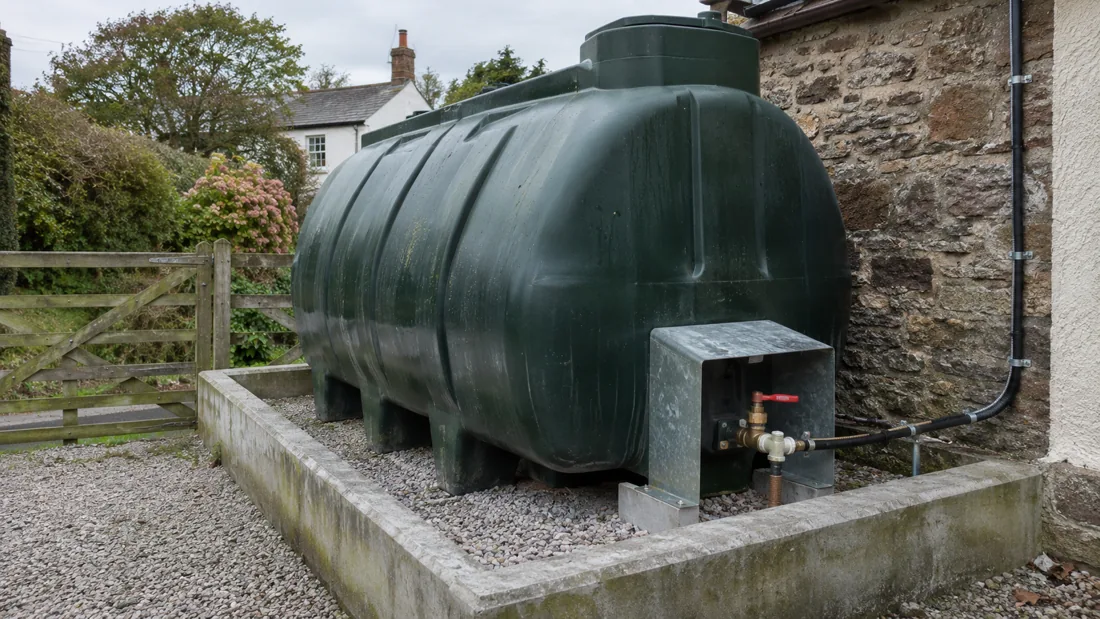
A Leak Needs Prompt Attention
Oil smells, wet patches, staining or an unexplained fall in the fuel level can indicate a leak. They can also have other causes, but waiting for certainty can allow an escape to spread. A split tank, a failing fitting and damaged underground pipework need different responses, so describe the evidence rather than trying to diagnose the fault.
This enquiry form is not an emergency response channel and is not continuously monitored. If pollution is occurring or oil may reach a drain, watercourse or the ground, use the Environment Agency's official incident reporting route promptly. For immediate danger, use the emergency services.
Avoid Making The Situation Worse
Keep people and animals away from affected areas and avoid contact with spilled oil. Do not wash oil into a drain or use a hose to disperse it. Do not attempt to cut, drill, patch or move a damaged tank yourself.
Tell your fuel supplier about a suspected leak and postpone any planned delivery until the tank has been assessed. A new delivery can add pressure and volume to an already damaged vessel. If safe photographs are not possible, give a written description instead.
Contact your insurer promptly and ask what information and authorisation they require. Keep a note of when the problem was noticed and any recent delivery or maintenance. Do not delay urgent pollution reporting while waiting to complete a website enquiry.
Why The Ground And Drainage Matter
On sloping Devon sites, the direction of the land can affect where escaped oil travels. Hard surfaces can carry it towards drainage, while permeable ground may conceal the extent of the problem. A small visible patch does not establish the full quantity lost or the area affected.
Mention streams, ditches, private wells and boreholes even if they are outside your property. The Environment Agency has specifically warned Devon and Cornwall tank owners about pollution risks from heating oil. A contractor needs to understand these receptors before planning recovery and any further investigation.
Assessment And Fuel Recovery
The first assessment considers the tank, its support, connected fittings and the apparent source of the escape. The remaining level and fuel quality influence how contents can be recovered. A damaged tank should not be assumed safe to retain fuel while an ordinary replacement date is awaited.
A suitable contractor may need to arrange controlled transfer to temporary holding or another approved destination. Water and sludge can limit what is reusable. Fuel recovery, tank replacement and spill investigation should be described separately so you know what each part of the response covers.
Repair, Replace Or Investigate Further?
Some faults relate to accessible fittings rather than the main storage vessel. That distinction must be made by a competent assessment. A cracked plastic tank or severely corroded steel shell is a structural problem that cleaning cannot correct.
If a replacement is needed, the base and position should be checked as part of the work. Ground movement, poor support or vehicle damage may need attention to prevent recurrence. Replacing only the visible tank can leave another cause unresolved.
Where staining, odour or contaminated water persists, environmental investigation may be necessary. Tank removal and surface cleaning do not establish that buried soil, drains or groundwater are unaffected. Agree the next assessment with the responsible contractor, insurer or environmental adviser as appropriate.
Access And Commercial Priorities
Tell us where a vehicle can stand safely and whether the route includes narrow gates, steps or steep ground. Avoid entering the affected area to take measurements. Wide photographs from a safe place can show the relative position of the tank, buildings and drainage.
Commercial premises should notify the responsible site manager and use their spill response arrangements. Identify any equipment dependent on the tank and restrictions on isolation. A heating tank and a generator supply may create different continuity issues, so explain what would be affected by a shutdown.
Costs, Scope And Records
A leak enquiry cannot be priced from tank size alone. Remaining fuel, active damage, access, waste quantity and the need for environmental work can all change the scope. Ask what is included in the immediate tank work and which investigation or reinstatement costs are separate.
Keep photographs, inspection findings, fuel recovery records and applicable waste documents. If a new tank is installed, retain its specification, commissioning and compliance evidence too. A completion record should say what was done and any remaining concerns, without promising that every possible pollution pathway has been ruled out.
A Useful Non-Emergency Enquiry
Include the postcode, tank material and approximate capacity, plus when you noticed the issue. Say whether the oil level is still dropping, where staining is visible and whether a delivery is booked. Mention any official report, insurer involvement or contractor attendance already arranged.
Please state clearly that a leak is suspected in the message. Do not rely on this form for immediate attendance or reporting pollution. Once urgent reporting and safety needs have been addressed, these details can help a suitable service provider assess the tank work required.
Your Questions
Can A Leaking Tank Be Cleaned Instead Of Replaced?
A leaking tank needs its fault assessed before cleaning is considered. Cleaning may remove sludge or water but will not restore a damaged shell. Some leaks involve fittings or pipework, so the source needs identifying. Ask the contractor to explain whether the proposed work addresses the cause as well as the visible escape.
Should I Wait Until The Tank Is Empty?
Waiting for a leaking tank to empty can allow more oil to escape. Seek appropriate assistance and report pollution through the official route where relevant. The remaining fuel may need controlled recovery by a competent contractor. Do not try to drain the tank yourself or use this enquiry form as an emergency reporting service.
Further guidance: GOV.UK: home oil storage, business oil storage and HSE: confined spaces. Report an environmental incident.
Tell Us About Your Tank
Start with your postcode, what has changed and how the tank can be reached. A suitable service provider can then respond about the next assessment.
Make A Tank Enquiry