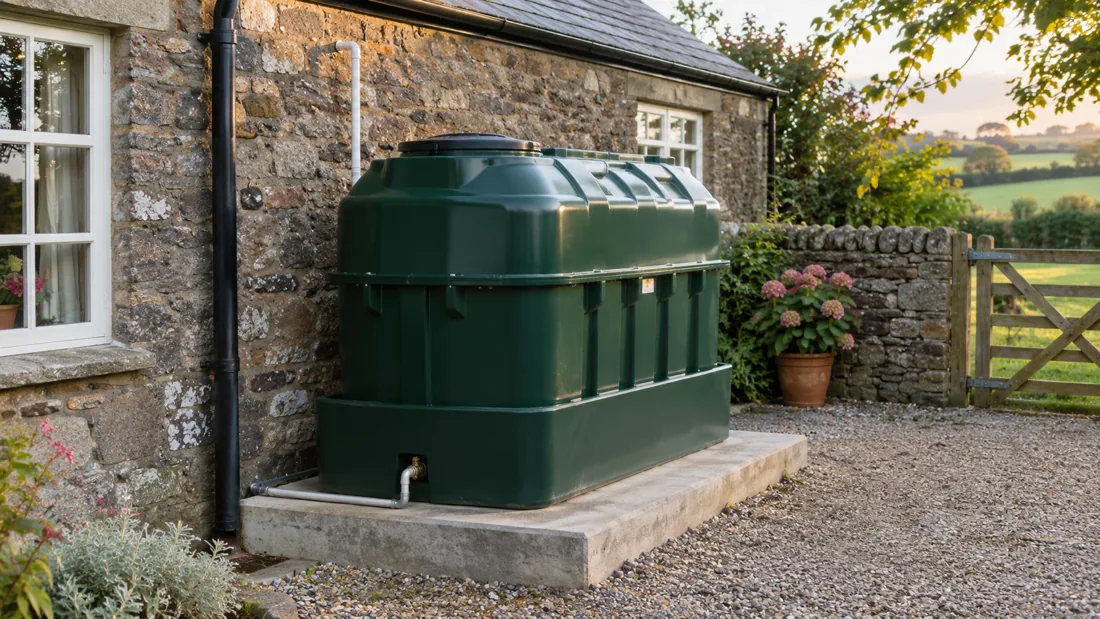
Begin With The Actual Problem
An ageing tank, dirty fuel and a difficult position are different problems. We explain the choices so you can describe the work you need and ask useful questions before booking. Our focus is oil storage for Devon homes, rural properties, landlords and commercial premises.
The service guides cover removal, replacement, new installation, cleaning, underground tanks and suspected leaks. Each sets out practical information to send, access considerations, fuel handling and the records to discuss. None replaces an assessment of the actual tank.
How Enquiries Work
When you use the form, we ask for your agreement to share the details with a suitable service provider. That provider can respond about assessment, availability and a proposed scope. Sending an enquiry does not confirm a booking, price or attendance time.
Before accepting work, ask who will carry it out, what the quote includes and what experience or registrations are relevant. Any claims about credentials, insurance or product warranties should be confirmed with the provider for your particular job.
Practical Questions Before Promises
Good planning starts with the tank, base, contents and route. Ask how usable oil will be handled, how heating interruption will be managed and whether ground work is included. For a commercial site, identify operating restrictions and the person who can approve isolation.
New domestic tank work must meet the applicable Building Regulations. Waste records and other handover information depend on the job. We encourage clear scope and accurate records, including any further inspection needed, rather than assuming the same certificate covers every kind of tank work.
Devon Properties Need Context
Narrow approaches, sloping ground and older boundaries can all affect the work where they occur. Private water supplies and nearby drainage should be mentioned early. Our coverage guide sets out the local considerations behind those questions.
There is no need to open a tank, climb onto it or enter a chamber to make an enquiry. Safe photographs and an honest description of what is unknown are a useful place to start.
Tell Us About Your Tank
Start with your postcode, what has changed and how the tank can be reached. A suitable service provider can then respond about the next assessment.
Make A Tank Enquiry